

LBA Had the Art. The Clock Was the Problem.
The Banner Wasn’t the Hard Part
The order did not start with a complicated product.
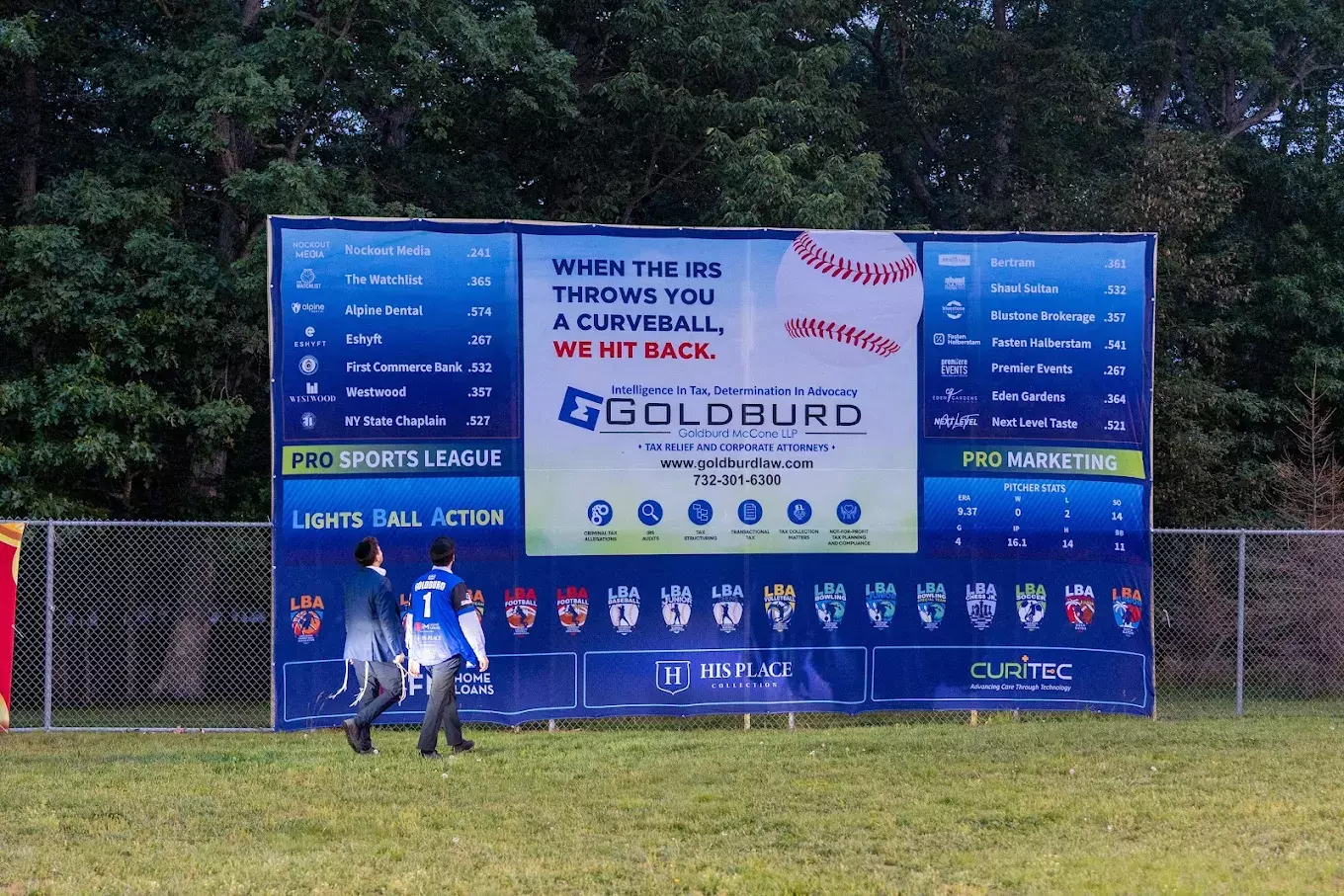
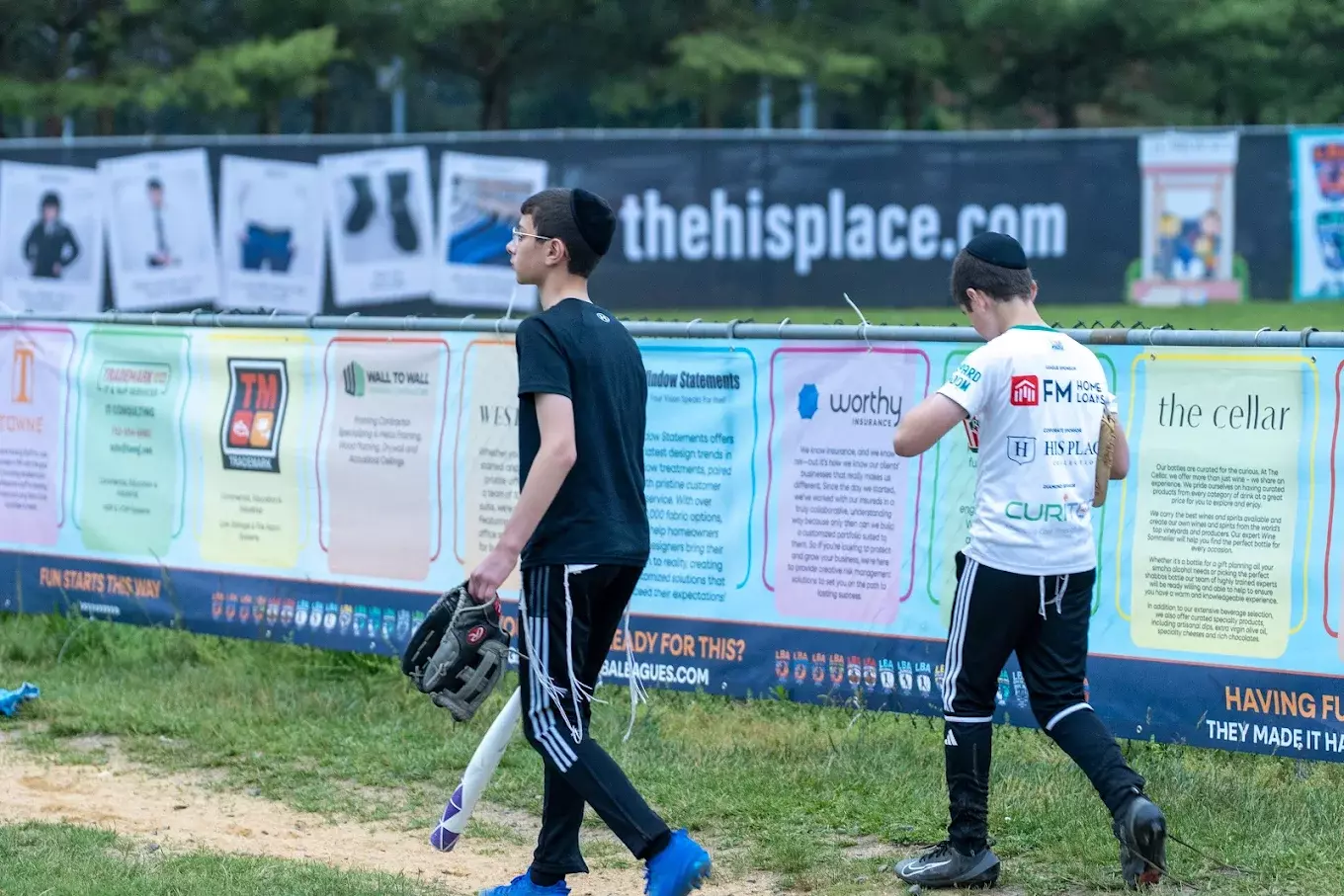
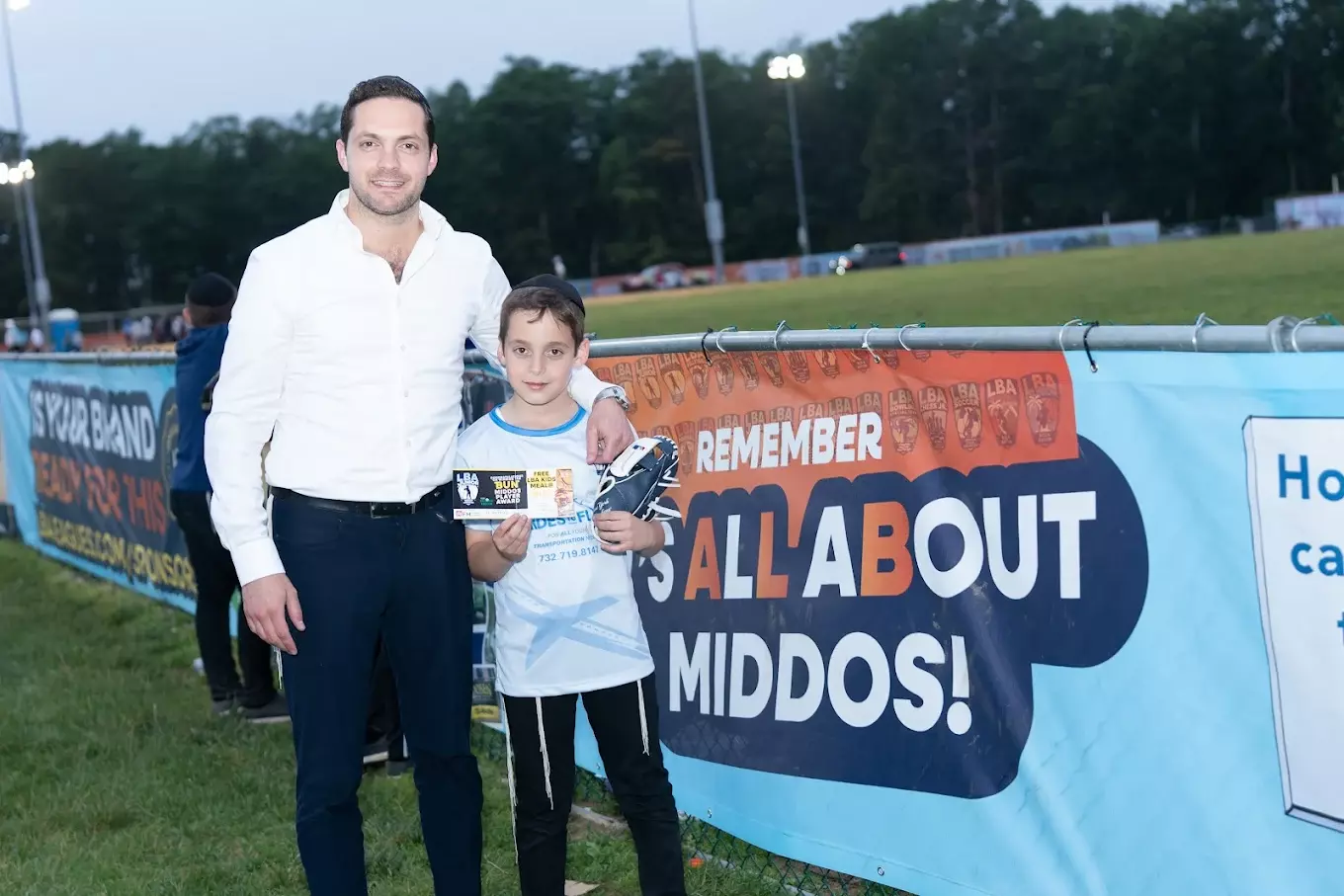
LBA Leagues needed custom advertising banners for sports venues: fence banners for outdoor baseball fields, and branded banner displays that could also work around indoor basketball settings.
That sounds simple.
But simple print jobs have a habit of becoming stressful when two things happen at the same time: the artwork size is not production-ready, and the event date is already close enough to matter.
That was the real pressure here. Not whether a banner could be printed. Of course it could. The question was whether the banner could be corrected, approved, produced, shipped, received, and ready before the June 2025 event.
Sports schedules do not pause for file problems.
Why Size Matters More on a Field Banner
A fence banner is not a flyer. It is not viewed in someone’s hand, under perfect lighting, from twelve inches away.
At a baseball field, people see it from distance, through movement, behind players, across fencing, and sometimes from the opposite side of the field. In an indoor basketball setting, it has to compete with wall padding, court lines, bleachers, lights, people walking past, and the constant motion of the game.
If the design size is wrong, everything downstream gets worse.
Logos can stretch. Text can land too close to an edge. Sponsor names can feel cramped. A banner that looked fine on screen can feel slightly off once it is printed large and tied to a fence.
That “slightly off” feeling is exactly what good production work is supposed to catch before it becomes physical.
The Fix Was Not to Send It Back
There are two ways to handle a sizing issue.
The slow way is to tell the client, “Please revise the file and resend it.”
That sounds reasonable, but it often creates a loop. The client adjusts something, sends it back, the file still needs checking, another proof is created, another message goes out, another day disappears.
The better way is to solve the production problem directly.
Our design team adjusted the artwork using the correct banner dimensions, prepared the file for print, and reduced the back-and-forth that usually slows custom signage orders down. The client did not need to become a print technician. They needed the banners ready.
That is the part people rarely mention in case studies: sometimes the most valuable work is not dramatic. It is simply removing friction before the client feels it.
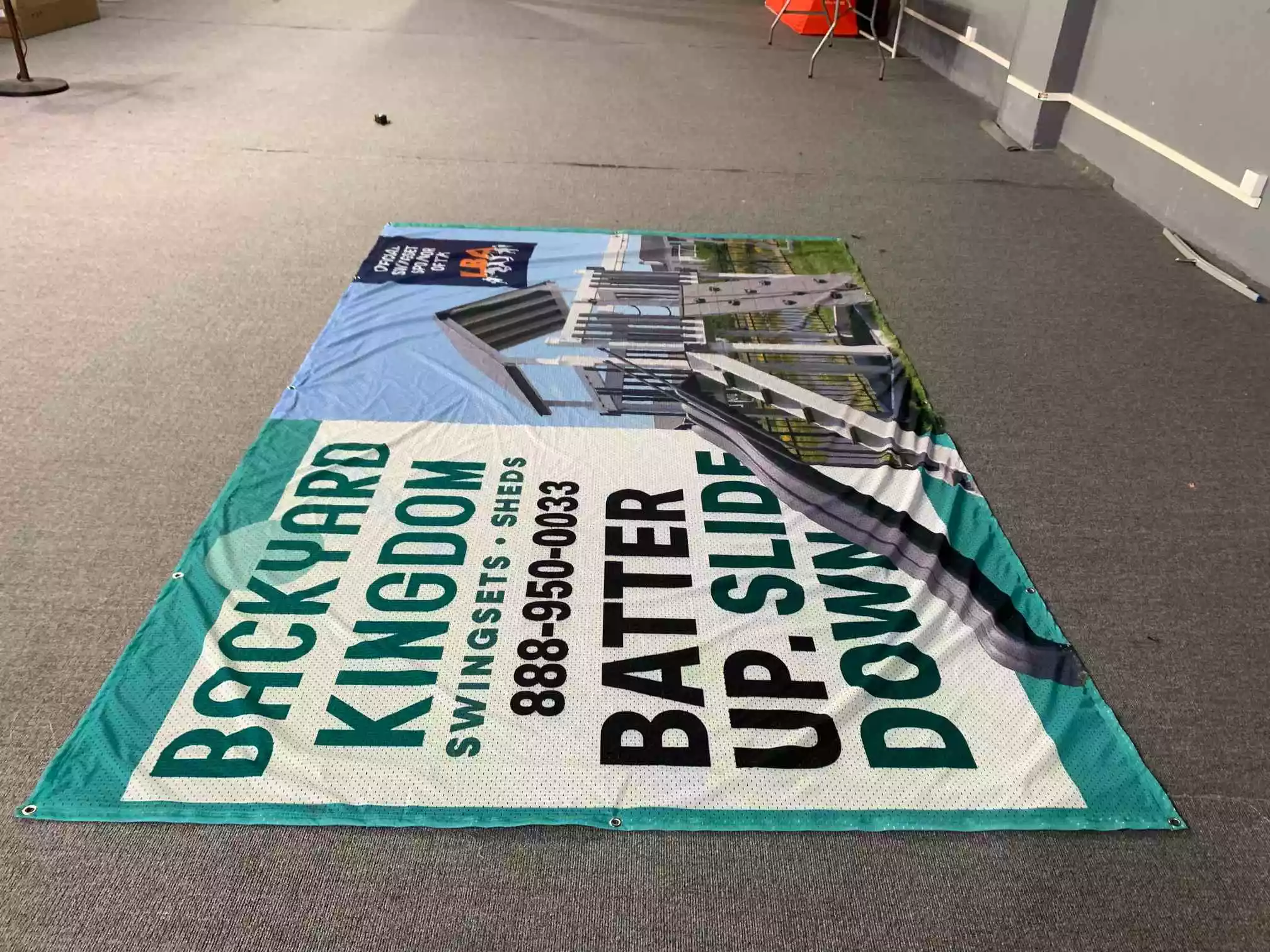
Production Had to Move Cleanly
Once the sizing was corrected and the order was confirmed, production took only 3–4 days.
That speed mattered, but speed by itself was not the goal.
A rushed banner with a poor edge, weak finishing, or distorted artwork is not a fast success. It is just a problem delivered earlier. For LBA Leagues, the important thing was to move quickly without letting the original sizing issue create a second problem on the production floor.
The banners were finished, checked, packed, and moved into shipping with the event timeline still in view.
There was no room for casual logistics.
Four Days in Transit
For this order, shipping was part of the solution.
We used the fastest available shipping method for the client’s timeline, and transit took only 4 days. That made the difference between “the banners are finished” and “the banners are actually useful.”
Event products only matter if they arrive before the event.
That sounds obvious, but every event buyer knows the feeling of watching tracking updates too closely. The product may be perfect, the artwork may be right, the price may be fair. None of that helps if the box arrives late.
LBA Leagues received the banners before the June 2025 activity window.
That was the point.
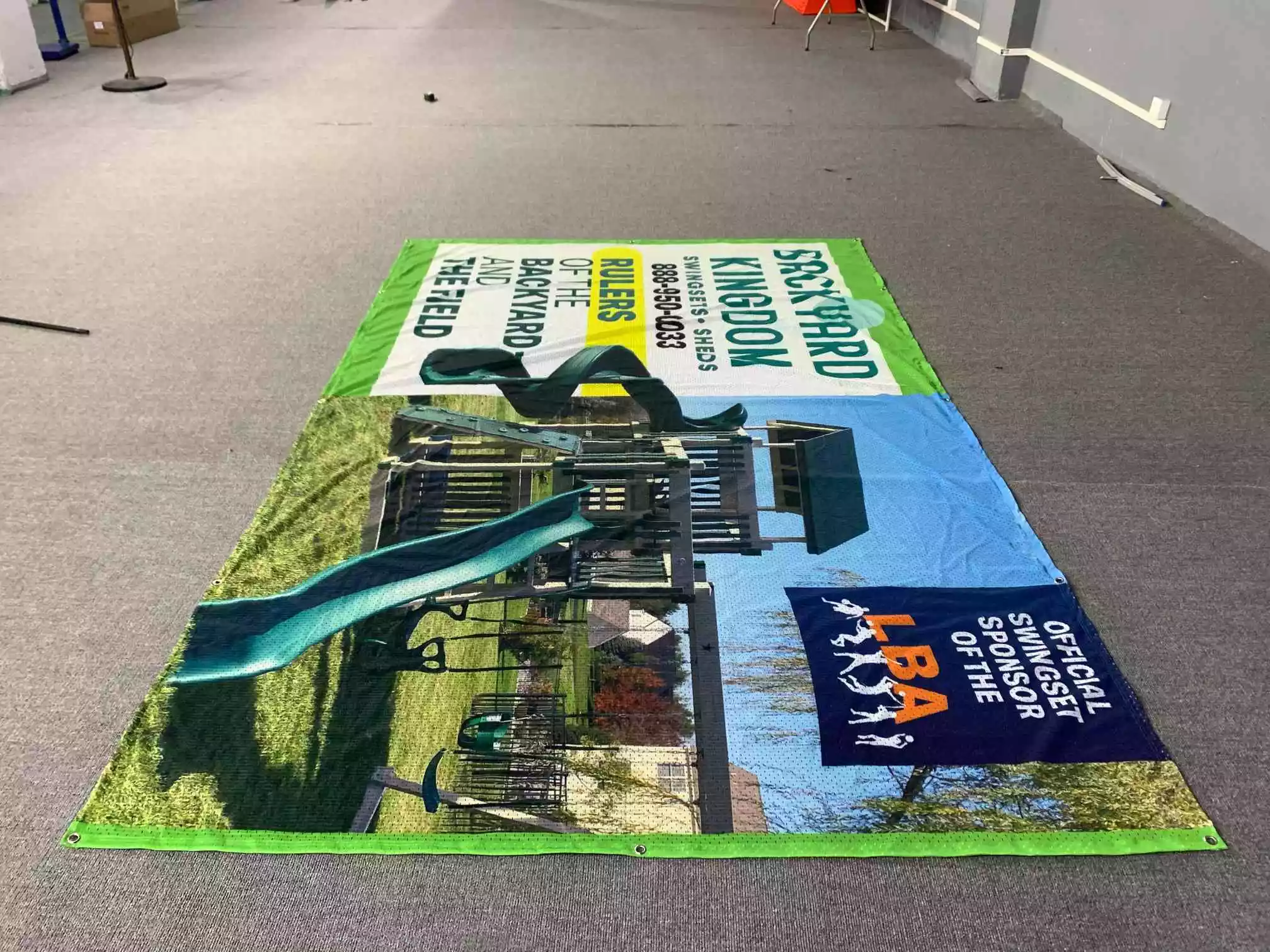
“They Look Great”
After the banners arrived, the message came back:
“They look great, Thank you! Wow amazing!”
It is not polished marketing language. Good.
It sounds like someone opened the package, saw the banners, and felt the pressure drop. The size issue had been handled. Production had not dragged. Shipping had landed in time.
For a sports league, that is often the whole job: make the sponsor graphics look right, get them there before game day, and do not make the organizer chase the process.
The Small Job That Says a Lot
LBA Leagues’ own website describes a sports organization serving the Lakewood community with baseball, basketball, football, volleyball, bowling, and other league activity, along with marketing opportunities for local brands.
That context matters because these banners were not just decoration. In local sports, banners are sponsor space, event atmosphere, community visibility, and practical venue branding all at once.
This case worked because the practical details were respected.